
How to Search the Bluff City Court Docket
The court name printed on the citation, summons, receipt, or later notice is your most reliable Bluff City search key. Don't assume every local matter sits in Kansas CaseSearch. Under K.S.A. 12-4104, municipal courts handle violations of city ordinances. State cases belong in district court instead. Gather the citation or case number, the full name as printed, the issue date, the appearance date, and the issuing agency. Then follow the matching trail:
- Read the court name and payment or appearance instructions on the document.
- Use the official contact printed there for a Bluff City municipal matter.
- Ask whether the date is current and whether an appearance is required.
- For a Harper district case, search Kansas CaseSearch by the available field.
- If permitted information is absent online, use the courthouse terminal or district clerk.
Don't call it "no case" yet. Check the court level, the name spelling, the number, and any access limit before drawing that conclusion.
Bluff City's Small-City Trail
The Census incorporated-place table gives Bluff City a 2020 population of 45 and a GEOID of 2007775. The city is real. Bluff City also appears on the Kansas municipal-budget list among Harper County municipalities, though neither source offers a court address or a session schedule.
Small population is not evidence of a small docket, or of no docket, or of relaxed access rules in Bluff City. It also cannot support an invented court day; use it only as civic context.
The Bluff City Municipal Court
Bluff City posts no municipal-court web page, no public case search, no recurring calendar, and no reliable city-court phone or street address online. That is an information gap. The silence proves nothing. The city may still hold municipal judicial functions. Ordinance matters do not move automatically into Harper District Court, because a municipal matter stays tied to the ordinance jurisdiction that Kansas law defines. Under K.S.A. 12-4108, the clerk may keep the municipal docket, take filings, and receive money. Trust your paperwork. Use the contact data printed on the citation or on a current official city notice, and never borrow another Harper County city's phone, address, judge, or schedule.
Start with the Issuing Court
The caption on the citation settles your first routing question. If it names a Bluff City municipal court, start there. The city clerk or court contact printed on that document comes first. If it names Harper County District Court, take the Kansas district path. Location can mislead. A ticket issued near Bluff City can still belong to another court. That depends on the charge and the issuing authority.
Quick answer: The location of an event does not choose the docket. The court named on the filed notice does.
A failed number deserves a second look. Compare every character, including the date-of-birth field if the portal asks for one. Then ask the issuing court whether the number is a citation number, a municipal case number, or a district case number. Those identifiers do not interchange.
Bluff City Court Dates and Settings
Bluff City publishes no recurring court date. The appearance date on your own citation or court notice is the best starting record. Confirm it directly afterward. A "setting" is a scheduled court event. A "reset" or continuance moves it. The old date can linger in a record even after a later date controls.
| Date | The appearance or hearing date printed on the current Bluff City notice. |
|---|---|
| Time | The required arrival or session time, confirmed with the issuing court. |
| Location | The court address on the citation or a later official notice. |
| Court | The municipal or Harper district court that owns the record. |
| Setting Type | The event purpose, such as appearance, plea, trial, or compliance. |
The historical 30th District calendar is no substitute for a current Bluff City municipal setting. Check for changes before you appear, especially if a later notice mentions a reset.
No Portal Does Not Mean Sealed
A missing Bluff City web page is a publishing gap. It is not a sealed-record designation. Kansas Supreme Court Rule 22 separately sets public portal and courthouse-terminal access for state court records. The rule also lists the categories kept off online display. How a municipality publishes its docket is a different question entirely. A blank search result has many possible causes. The matter may be municipal rather than district, the number may be wrong, or the record may be restricted. The portal may have narrower access, or the clerk may not have made that material searchable. Ask the clerk before applying any legal label. "Sealed," "expunged," and "not online" are not the same thing.
- Not online
- No public web display was located; other lawful access may remain.
- Restricted
- A rule or law limits access to a case type or document.
- Sealed
- A court order or governing authority closes the record from public access.
Bluff City Traffic Tickets
Write it all down. For a Bluff City ticket, copy the issuing-court name, citation number, issue date, appearance date, and the exact spelling of the cited name. Contact the route printed on the citation before paying. Kansas scheduled-fine law allows payment for eligible municipal violations. A serious or excluded charge can still require court action. A portal match does not cancel an appearance.
The Kansas Central Payment Center searches by citation or case number with date of birth, driver's-license number and state, plate and state, name and date of birth, or business name. No Bluff City ticket is guaranteed to show up. The system is a payment and citation lookup. It is not a complete or certified court docket.
- Keep the original ticket and each later notice.
- Confirm whether payment is allowed for the exact charge.
- Ask whether personal appearance is still required.
- Save the confirmation or receipt supplied by the court.
Bluff City Payment Center Fit
Confirm the issuing court participates before using the Central Payment Center for the citation at hand. The search fields can locate a possible account. A failed lookup can mean many things. It may reflect court participation, timing, data entry, or the wrong identifier, and it does not decide whether money is due or whether a hearing remains set.
| Search Route | Supporting Field | Best Next Check |
|---|---|---|
| Citation or case number | Date of birth | Compare the identifier with the ticket |
| Driver license | Issuing state | Confirm the court before payment |
| Vehicle plate | Plate state | Verify the cited person and case |
| Name | Date of birth | Use the spelling printed on the citation |
For the amount, the deadline, an appearance, a warrant, or compliance status, ask the issuing clerk.
Where Bluff City Cases End Up
Bluff City splits its cases across two routes. Ordinance violations filed in town stay with the municipal court. State criminal charges, county civil filings, probate matters, and anything else under general jurisdiction take the other route. They go to Harper County District Court in the 30th Judicial District. That court's official page is a practical hub. It connects you to its current-docket document center, public case tools, clerks, and payment route.
Docket flow: Bluff City Municipal Court › Harper County Courts › Harper County District Court, 30th Judicial District
For the district side, start with Harper County court docket access. For citation distinctions across the county, use Harper County traffic court records. An appeal or a transferred matter can leave a record at the district court, though you should confirm that with a case number or a clerk before assuming it.
Bluff City Versus District Court
Different offices hold different records. The Bluff City clerk keeps the city ordinance material. State trial-court filings, settings, and docket activity sit with the Harper District Court clerks. One more contact matters here: the Harper County Clerk handles county-government records and KORA routing, but that office is not a stand-in for the district-court clerk.
| Question | Municipal Route | District Route |
|---|---|---|
| Likely matter | Bluff City ordinance or local traffic | State criminal, civil, probate, or state traffic |
| First identifier | Court name on city citation | Harper district case or citation number |
| Access point | Issuing-city contact on official notice | CaseSearch, terminal, or district clerk |
Knowing the split keeps a city request from landing with a clerk who never holds it.
Public Access to Bluff City Court Records
When you ask for a Bluff City record, be specific. Name the issuing court. Give the citation or case number, the date, and the document you want. Public access has limits, too. A clerk does not have to expose protected identifiers. Nor must the clerk build a new report for you. District records offer another path. Once you confirm the proper custodian, you can file the Kansas Judicial Branch KORA court-records form.
Access rules:
K.S.A. 45-218 covers inspection and timely agency response under KORA.
K.S.A. 45-221 lists exceptions and addresses separation of open from closed material.
Rule 24 protects listed personal identifiers in Kansas court filings.
Need a certified copy? Only the clerk who keeps the original record can issue one. A search screen or a payment result does not count as certification.
Bluff City Federal Boundary
Federal cases never appear in the Bluff City or Harper County indexes. They run through PACER and the District of Kansas. Harper County sits in the federal Wichita-Hutchinson jury-division grouping. The Wichita federal courthouse page shows that separate courthouse and explains its public procedures, which makes the boundary plain.
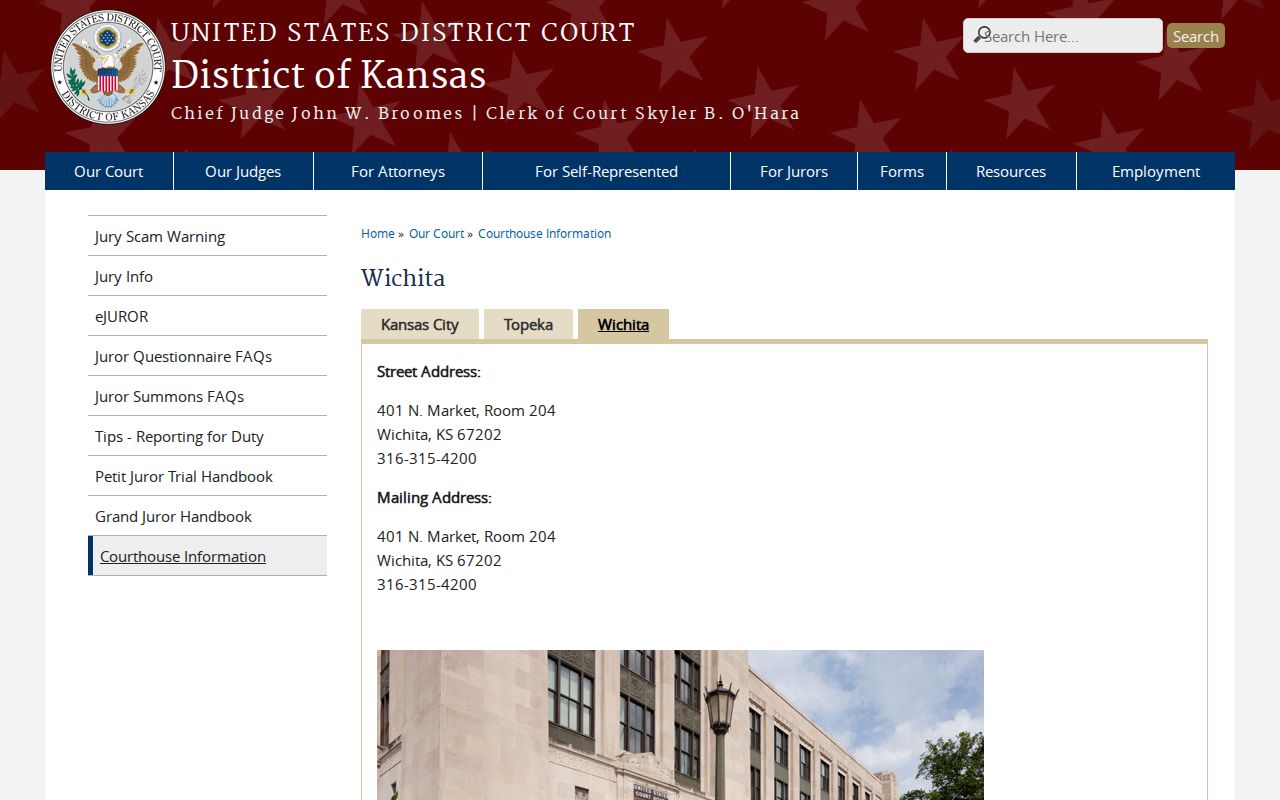
A Bluff City portal result that comes up empty does not push a case into PACER. Turn to federal access only when the pleadings or a notice names a federal court.
Bluff City County Map
The official Census source lists Bluff City among Harper County's six incorporated places. That table supplies the geographic and population context without touching any private case data.
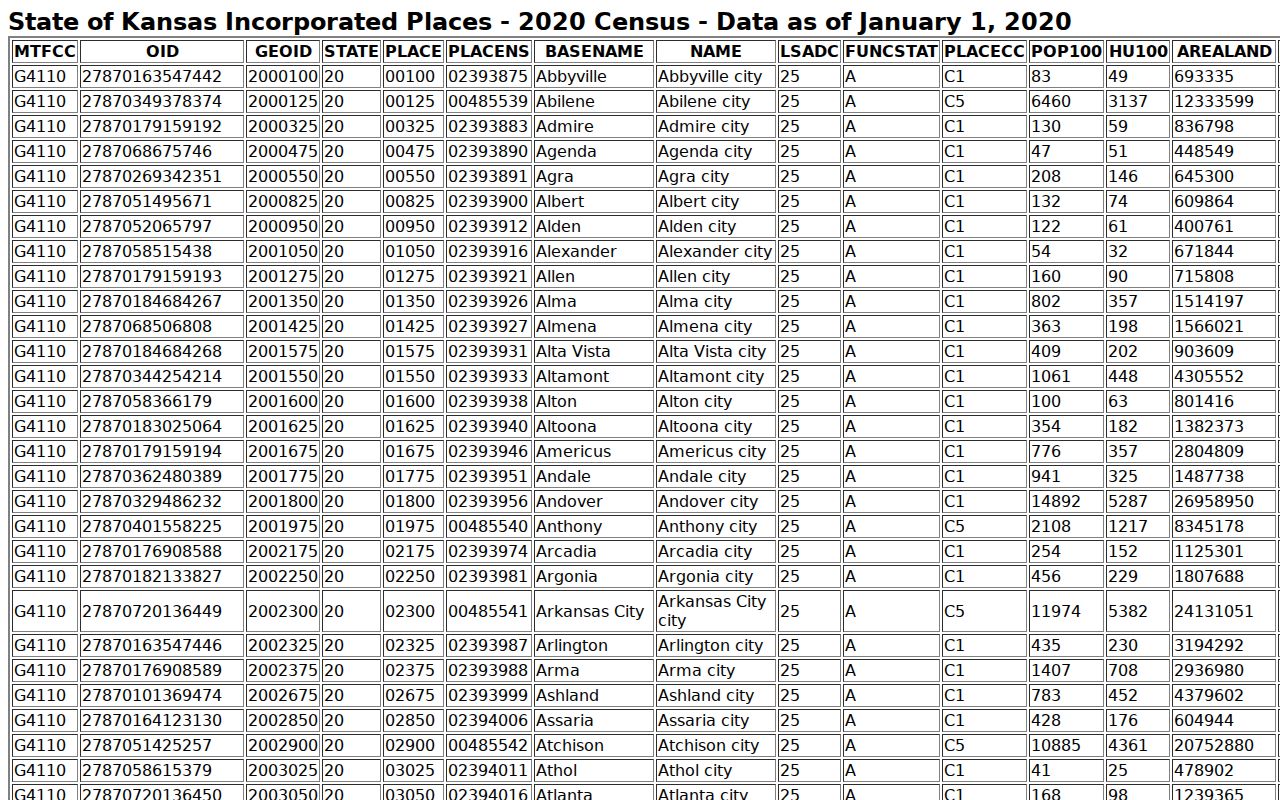
The table fixes Bluff City's civic place in the county. It offers no municipal court schedule, address, or docket count, so a current city source remains necessary for those facts.